How Complete Gelatin Production Line Turnkey Engineering Connects Process Design, Equipment, and Startup
CHANGSHU, JIANGSU, CHINA, October 26, 2026 /EINPresswire.com/ -- Investing in an industrial Gelatin Production Line
Press Release Disclaimer: This is a press release distributed through the XPR Media network. It has not been independently verified by our newsroom.
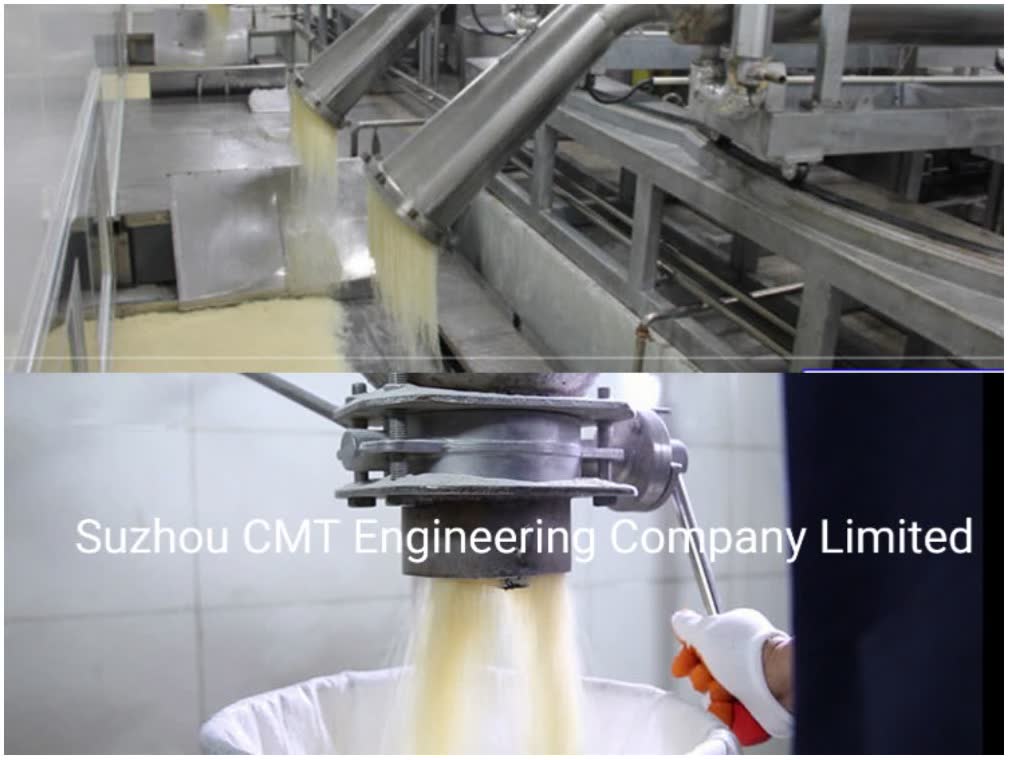

CHANGSHU, JIANGSU, CHINA, October 26, 2026 /EINPresswire.com/ — Investing in an industrial Gelatin Production Line requires bridging complex biological raw material pretreatment with high-capacity sanitary extraction and drying systems. Engineering teams evaluate feedstock characteristics, collagen cross-linking, and target Bloom jelly strengths to select between Type A acid and Type B alkali extraction routes. Contracting a single-point engineering partner ensures coordinated battery-limit design across raw material handling, thermal concentration, extrusion, and cleanroom air handling systems.
Commercial gelatin applications span edible food gelling agents, hard and soft pharmaceutical capsules, photographic emulsions, and technical coatings. Each end market imposes strict physical standards regarding gel strength, solution viscosity, clarity, and microbial limits. Meeting these demanding product criteria requires precise temperature profiles, controlled residence times, and sanitary stainless steel fluid transport across all extraction stages.
Upstream Feedstock Preparation: Acid Versus Alkali Pretreatment Chemistry
Feedstock characteristics determine the chemical pretreatment kinetics necessary to cleave intermolecular collagen cross-links without hydrolyzing peptide backbones. Selecting the appropriate pretreatment route balances raw material sourcing flexibility against processing cycle durations and effluent treatment complexity.
Type A Acid Process: Optimized for porcine skins and poultry bones containing lower degrees of covalent collagen cross-linking. Feedstocks undergo dilute hydrochloric or sulfuric acid conditioning for ten to forty-eight hours, achieving fast swelling with minimal wastewater volume.
Type B Alkali Process: Engineered for bovine hides and osseous collagen matrices requiring prolonged conditioning. Raw materials soak in saturated lime suspensions for several weeks, gradually saponifying fats and conditioning collagen bundles for controlled warm water extraction.
Demineralization of Crushed Bone: Bone chips undergo dilute hydrochloric acid counter-current leaching to extract calcium phosphate, yielding ossein collagen and a valuable dicalcium phosphate fertilizer byproduct.
Rinsing systems utilize continuous rotary screen washers to neutralize conditioned collagen tissues, maintaining extraction bath pH values between 4.0 and 6.5. Automated pH monitoring prevents uneven tissue swelling, ensuring uniform heat transfer and preventing color degradation during subsequent hot water extraction cycles. Pretreatment tank farms feature mechanical circulation pumps and slurry transfer lines constructed from corrosion-resistant polyethylene and acid-resistant alloys. Systematic drainage channels segregate saline wash streams from concentrated chemical effluents, optimizing downstream wastewater treatment operations.
Extraction Kinetics, Multi-Stage Evaporation, and Membrane Filtration
Gelatin extraction operates as a multi-step batch thermal process where water temperature increases incrementally across successive extraction rounds. Maintaining tight thermal control preserves long-chain polypeptide structures, maximizing high-value Bloom jelly strength.
Multi-Step Thermal Leaching: Initial extractions run between 55°C and 65°C to recover high-Bloom gelatin exceeding two hundred fifty grams Bloom. Subsequent rounds increase temperatures toward 90°C to recover lower Bloom grades suitable for industrial and confectionery binding.
High-Pressure Plate Filtration: Plate-and-frame diatomaceous earth filters and specialized cellulose sheet filters remove suspended insoluble solids, achieving crystal-clear liquor optical clarity.
Sanitary Ultrafiltration Concentration: Cross-flow membrane modules concentrate thin liquor from five percent to over fifteen percent solids without applying thermal heat, preserving heat-sensitive gel structure.
Falling Film Vacuum Evaporation: Multi-effect sanitary falling film evaporators operate under deep vacuum at temperatures below 60°C, concentrating the liquor up to thirty-five percent solids while minimizing steam utility consumption.
Integrated thermal sterilization systems heat concentrated gelatin liquor to 138°C for four seconds in continuous tubular heat exchangers. Flash cooling inside sanitary expansion vessels immediately reduces product temperatures, eliminating microbial pathogens without causing thermal degradation. Sanitary centrifugal pumps feature double mechanical seals with sterile condensate flushes to eliminate bacterial harborage points. Fluid transport piping utilizes orbital-welded 316L stainless steel polished to surface roughness values below 0.8 micrometers.
Downstream Extrusion, Continuous Band Drying, and Granulation Machinery
Converting viscous gelatin liquor into dry, microbiologically stable granules requires specialized extrusion and hygienic air drying machinery. Process stability inside the cleanroom zone prevents bacterial proliferation and preserves granular solubility.
Chilling and Noodle Extrusion: Scraped-surface heat exchangers chill concentrated liquor below its gelling point, and rotary extrusion dies form continuous gelatin noodles directly onto stainless steel drying belts.
Multi-Zone Continuous Band Drying: Slow-moving stainless steel wire-mesh belts travel through independent temperature and humidity zones, circulating dehumidified air to reduce product moisture below twelve percent.
Closed-Loop Granulation and Classification: Cooled gelatin sheets pass through stainless steel hammer mills and vibratory screener decks, producing uniform mesh size distributions between eight and sixty mesh.
Band dryers incorporate HEPA filtration systems and laminar airflow plenums that maintain cleanroom hygiene standards throughout the drying tunnel. Variable-speed exhaust fans regulate internal humidity gradients, preventing surface case-hardening and ensuring consistent moisture desorption throughout the gelatin noodle cross-section. Automated pneumatic conveying systems transport classified granules into blending silos equipped with load-cell weight indicators. Homogenizing blenders gently tumble bulk batches to ensure uniform Bloom ratings and viscosity profiles across multi-ton production shipments.
Turnkey Engineering Delivery and Sanitary Compliance Assurance
Executing an international gelatin facility requires seamless coordination across civil layouts, sanitary mechanical fabrication, and high-purity utility loops. Working with an experienced industrial contractor such as Suzhou CMT provides plant owners with single-source accountability, ensuring equipment complies with international ASME pressure vessel, CE machinery directives, and ISO 9001 quality management standards. Coordinated multi-base manufacturing facilities fabricate extraction tanks, falling film evaporators, and sanitary band dryers under strict quality management oversight. Comprehensive workshop factory acceptance testing verifies impeller dynamic balances, pneumatic actuator responses, and central automation programs before equipment leaves fabrication bays.
Specialized mechanical installation crews oversee site rigging, seismic anchorage, cleanroom paneling, and sanitary orbital welding. Providing complete isometric documentation, material test certificates, and weld inspection radiographs streamlines pharmaceutical regulatory validation for local operating authorities.
Commissioning Milestones, CIP Validation, and Operational Handoff
A structured commissioning protocol mitigates biological contamination hazards and verifies mechanical performance before introducing commercial raw materials. Sequential trial phases establish predictable operating baselines across all process utilities.
Hydro-Flushing and Clean-in-Place Validation: Piping networks undergo high-velocity caustic and acid chemical circulations to verify spray ball coverage, drainage slope compliance, and automated CIP cycle reproducibility.
Water Runs and Thermal Balancing: Evaporator sets and band dryer air handlers run on demineralized water to verify vacuum pump capacity, heat transfer duties, and automated PID loop tuning.
Commercial Performance Guarantee Testing: Continuous seventy-two-hour trial production runs verify daily nameplate tonnage throughput, specific steam usage per kilogram of dried gelatin, and finished Bloom strength conformity.
Comprehensive classroom instruction and hands-on control room simulator training prepare local plant personnel for emergency shutdown procedures, routine filter maintenance, and process upset recovery. Operating manuals detail standard cleaning intervals, enzyme dosage protocols, and preventative maintenance procedures for all major rotating assets. Structured technical handoff protocols provide ongoing remote engineering consultation during the first year of continuous commercial production. Process engineering directors and food processing sponsors can evaluate turnkey gelatin plant specifications directly at https://www.cmtproject.com/ to inspect verified facility references.
Suzhou CMT Engineering Co., Ltd.
Suzhou CMT Engineering Co., Ltd.
Legal Disclaimer:
EIN Presswire provides this news content “as is” without warranty of any kind. We do not accept any responsibility or liability
for the accuracy, content, images, videos, licenses, completeness, legality, or reliability of the information contained in this
article. If you have any complaints or copyright issues related to this article, kindly contact the author above.

Media gallery