Judges Select Four Companies From 15 Applicants for SuperCrowd26 Live Pitch
Paul Lovejoy, Sherwood Neiss and Léa Bouhelier-Gautreau reveal what they’ll be looking for when four crowdfunding
Press Release Disclaimer: This is a press release distributed through the XPR Media network. It has not been independently verified by our newsroom.


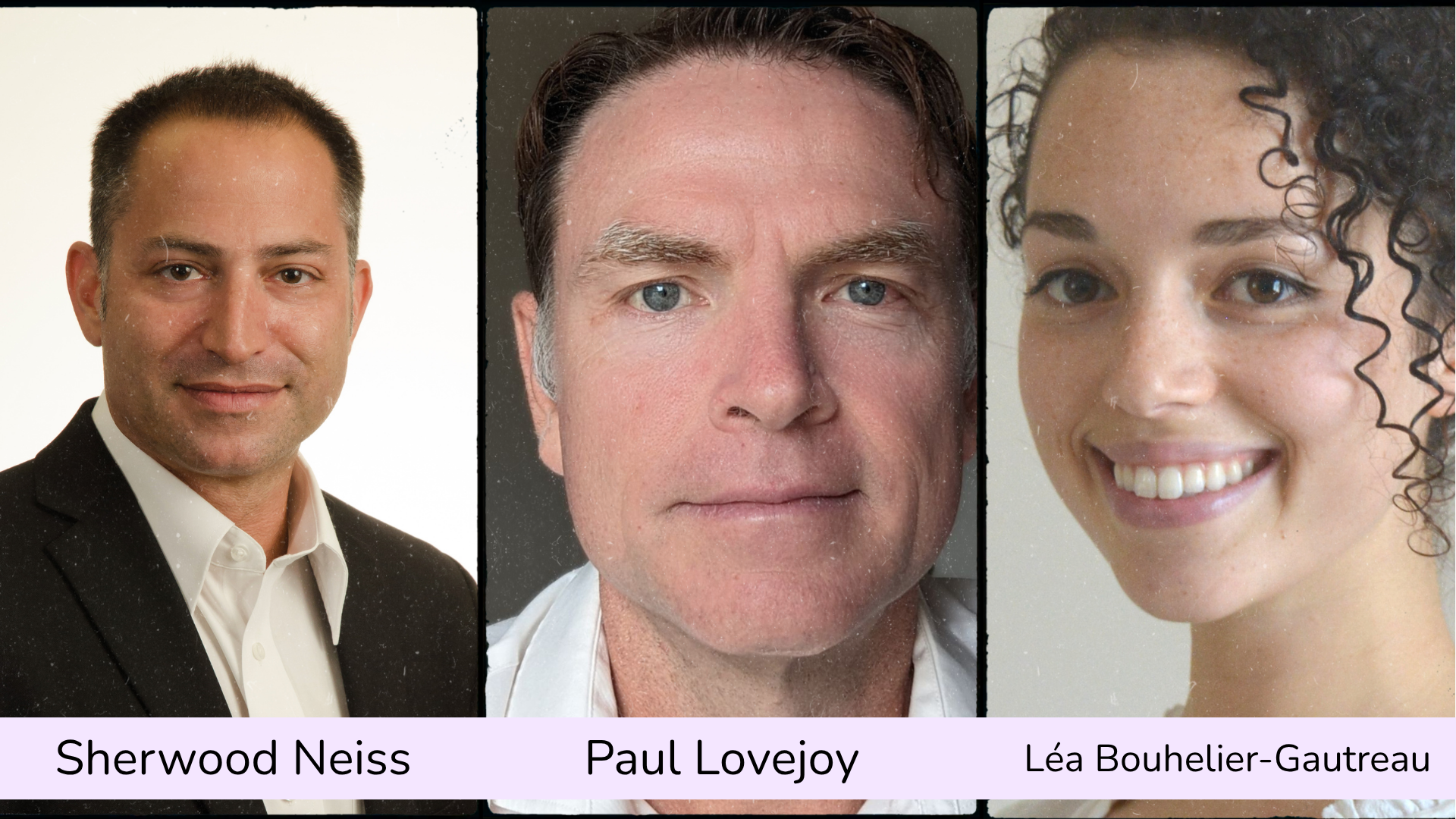
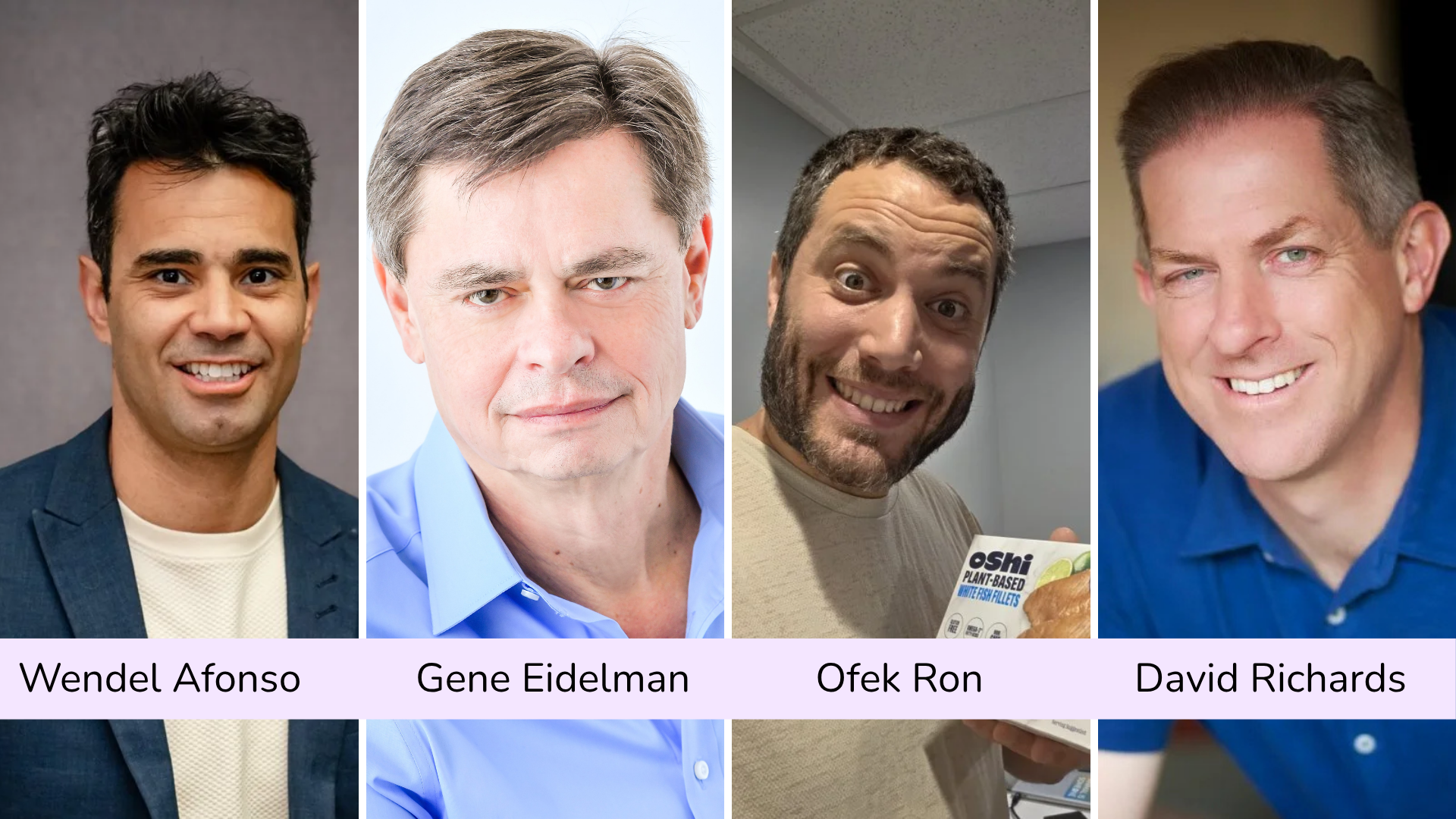
STOCKTON, Calif. — August 19, 2026 — (KOREWIRE) Fifteen well-qualified companies applied for a coveted spot in the SuperCrowd26 featuring PurposeBuilt100™ Live Pitch. After screening the field, judges Paul Lovejoy, Sherwood Neiss and Léa Bouhelier-Gautreau selected four companies they found especially compelling—and now they are preparing to put those opportunities under closer scrutiny in front of investors.
The finalists are Milk Care Co. (Harmony Baby Nutrition), Changemaker Education, Azure Printed Homes and Oshi.
The Live Pitch begins Wednesday, August 26, at approximately 4:07 p.m. Pacific / 7:07 p.m. Eastern, with SuperCrowd.tv serving as the primary viewing venue. The program will also stream on LinkedIn, Facebook, YouTube, the Superpowers for Good Substack and SuperCrowd26.com.
For the judges, selecting the four finalists was only the beginning.
The Live Pitch will give them an opportunity to move beyond application materials and prepared presentations to ask the questions investors face when deciding whether an exciting company also represents an attractive investment.
Four Very Different Opportunities
The finalists span pediatric nutrition, education, sustainable housing and alternative seafood.
Milk Care Co. (Harmony Baby Nutrition) is a Boston-based infant and toddler nutrition company developing a human milk-inspired, allergy-friendly toddler formula. Its Wefunder campaign seeks up to $2 million using a SAFE.
Changemaker Education, based in Sacramento, is developing a national network of independent microschools while helping educators launch and operate schools as entrepreneurs. Its Wefunder offering uses a SAFE to support expansion of the network and its founder-support program.
Azure Printed Homes manufactures 3D-printed structures using post-consumer polymer materials, with applications that include accessory dwelling units, workforce housing and supportive housing. The company is raising debt capital through Honeycomb Credit to support manufacturing capacity, equipment, inventory and working capital.
Oshi develops plant-based salmon as an alternative to conventional seafood, seeking to reduce pressure on fisheries while expanding the availability of alternative proteins. The company is raising equity capital through Wefunder.
That diversity means the judges won’t be applying a single formula to every pitch.
Instead, they will be looking for evidence that each founder understands the problem being solved, the market opportunity, the economics of the business, the risks ahead—and why the investment being offered makes sense for investors.
Léa Bouhelier-Gautreau: Does Impact Strengthen the Business?
For Léa Bouhelier-Gautreau, Sr. Investment Associate, Impact Investing at Kingscrowd, the strongest opportunities must withstand examination on two dimensions at once.
“I’ll be looking for the connection between impact and investment potential. I want to understand whether the company’s positive impact is truly embedded in the business model—so that impact grows as the company grows—while also seeing evidence of a durable, scalable business. A powerful mission can get my attention, but I’ll also want to understand the market, traction, competitive advantage and what has to go right for investors to ultimately succeed financially.”
Bouhelier-Gautreau brings an impact-investing and sustainability lens to the panel. Her work at Kingscrowd includes evaluating investment opportunities for impact-oriented investors, and her earlier experience with Stanford accelerator StartX included helping identify promising entrepreneurs.
Her questions could therefore reach beyond whether a company does good to a more demanding issue: Does doing good help create an investable company?
That distinction may be especially important for companies addressing challenges such as health, education, housing, climate and food-system sustainability.
Paul Lovejoy: What Could Go Wrong—and Is the Investor Being Rewarded for the Risk?
Paul Lovejoy, Principal Investment Advisor at Stakeholder Enterprise, approaches crowd investing from the perspective of investor financial well-being and disciplined capital allocation.
“A good story matters, but investors also have to ask what happens if the story doesn’t unfold exactly as planned. I’ll be listening for founders who understand their risks as clearly as they understand their opportunities. What assumptions are embedded in the projections? What has to break for this not to work? Is it execution, timing, competition, or something outside the founder’s control entirely? And once I can see that risk clearly, I want to ask whether the upside actually matches it. ”
Lovejoy’s investment philosophy emphasizes building wealth ethically while maintaining the financial discipline necessary to protect an investor’s long-term well-being.
That makes downside analysis an important part of the Live Pitch.
Founders may be asked not simply how large their companies can become but how much money they need to get there, what happens if growth takes longer than expected, whether margins can support the model and how future financing could affect today’s investors.
Those questions can be uncomfortable.
They are also the questions that can make a pitch genuinely useful to investors.
Sherwood Neiss: Show Me the Evidence
Sherwood Neiss, a longtime leader in the investment crowdfunding industry, will bring a capital-formation lens to the pitches, testing whether the companies’ aspirations are supported by evidence.
“When I evaluate a crowdfunding opportunity, I want to separate the promise from the proof. What has the company already demonstrated? Are customers buying? Is revenue growing? Has management shown that it can execute? Then I want to understand how this round changes the trajectory of the business. Investors should be able to see a logical connection between the capital being raised today, the milestones it will fund and the value the company hopes to create tomorrow.”
His questions are likely to illuminate one of the central challenges in evaluating early-stage investments: distinguishing an attractive vision from demonstrated execution.
Market size matters. So do traction, customer adoption, unit economics, capital efficiency and the credibility of management’s assumptions.
The crowdfunding context adds another question: Why raise from the crowd?
Some businesses can gain something beyond money from hundreds or thousands of investors—customers, advocates, referrals, community credibility and future ambassadors. Others may be seeking capital from the crowd simply because other sources are unavailable.
Understanding the difference can help investors assess both the offering and the issuer’s broader capital strategy.
The Security Matters, Too
The four finalists aren’t simply different businesses. They are offering investors different securities.
The field includes SAFEs, equity and debt.
That means the judges can explore a fundamental question that sometimes gets overshadowed by the excitement of the company itself:
What exactly does the investor get?
The answer affects virtually every other investment consideration—from valuation and dilution to cash returns, liquidity and how investors might someday realize a financial gain.
A promising business can still represent an unattractive investment if the terms are wrong.
Conversely, an unusual or complex security shouldn’t automatically disqualify an opportunity if investors understand the structure and believe they are being adequately compensated for the risk.
Questions Investors Can Borrow
Together, the judges’ perspectives create a framework viewers can apply to opportunities well beyond the four appearing on stage:
-
Is the problem real and important?
-
Has the company demonstrated genuine customer demand?
-
What evidence suggests the business can scale?
-
What competitive advantage can it defend?
-
How does the company make money—and can the economics improve with scale?
-
What does this financing round actually accomplish?
-
How much more capital is likely to be required?
-
What could cause the plan to fail?
-
What security is being offered, and on what terms?
-
How could investors ultimately earn a return?
-
Is the company’s social or environmental impact material, measurable and connected to growth?
-
Does crowdfunding itself provide a strategic advantage to the company?
The goal is not for the judges—or SuperCrowd26—to tell viewers what to buy.
It is to help investors ask better questions.
“I look forward to hearing directly from each of the pitching companies, but I’m equally excited to hear from the thoughtful judges,” said Devin Thorpe, CEO of The Super Crowd, Inc. and host of SuperCrowd26. “Their probing questions will help me—and other investors watching—evaluate the offerings more effectively. A strong pitch can tell you a great deal about a company. Sometimes a really good question tells you even more.”
Selection for the Live Pitch does not constitute an endorsement or recommendation to invest. Investors should review offering materials carefully, consider their own circumstances and conduct appropriate due diligence before making any investment.
Watch—and Join the Conversation
The SuperCrowd26 Live Pitch will stream primarily on SuperCrowd.tv on Wednesday, August 26, beginning at approximately 4:07 p.m. Pacific / 7:07 p.m. Eastern.
It will also stream on LinkedIn, Facebook, YouTube, the Superpowers for Good Substack and SuperCrowd26.com.
Viewers who purchase a $50 Executive Access ticket receive access beyond the broadcast, including opportunities to communicate directly with speakers, judges, sponsors and PurposeBuilt100™ winners through the SuperCrowd26 networking experience.
Tickets, the complete agenda and event information are available at SuperCrowd26.com.
About SuperCrowd26 featuring PurposeBuilt100™
SuperCrowd26 featuring PurposeBuilt100™ is a three-day, televised virtual convening produced by The Super Crowd, Inc., a public benefit corporation. Running August 25–27, 2026, the event brings together founders, investors and crowdfunding ecosystem leaders for conversations focused on capital, community and impact.
The event culminates in the inaugural PurposeBuilt100™ Showcase, recognizing 100 fast-growing, purpose-driven companies and highlighting the intersection of business growth and measurable social or environmental purpose.
Media Contact
Devin Thorpe
CEO, The Super Crowd, Inc. a PBC
801-930-0588
https://TheSuperCrowd.com