AAHA Releases 2026 Diabetes Management Guidelines for Dogs
DENVER, CO, UNITED STATES, September 1, 2026 /EINPresswire.com/ -- The American Animal Hospital Association (AAHA)
Press Release Disclaimer: This is a press release distributed through the XPR Media network. It has not been independently verified by our newsroom.
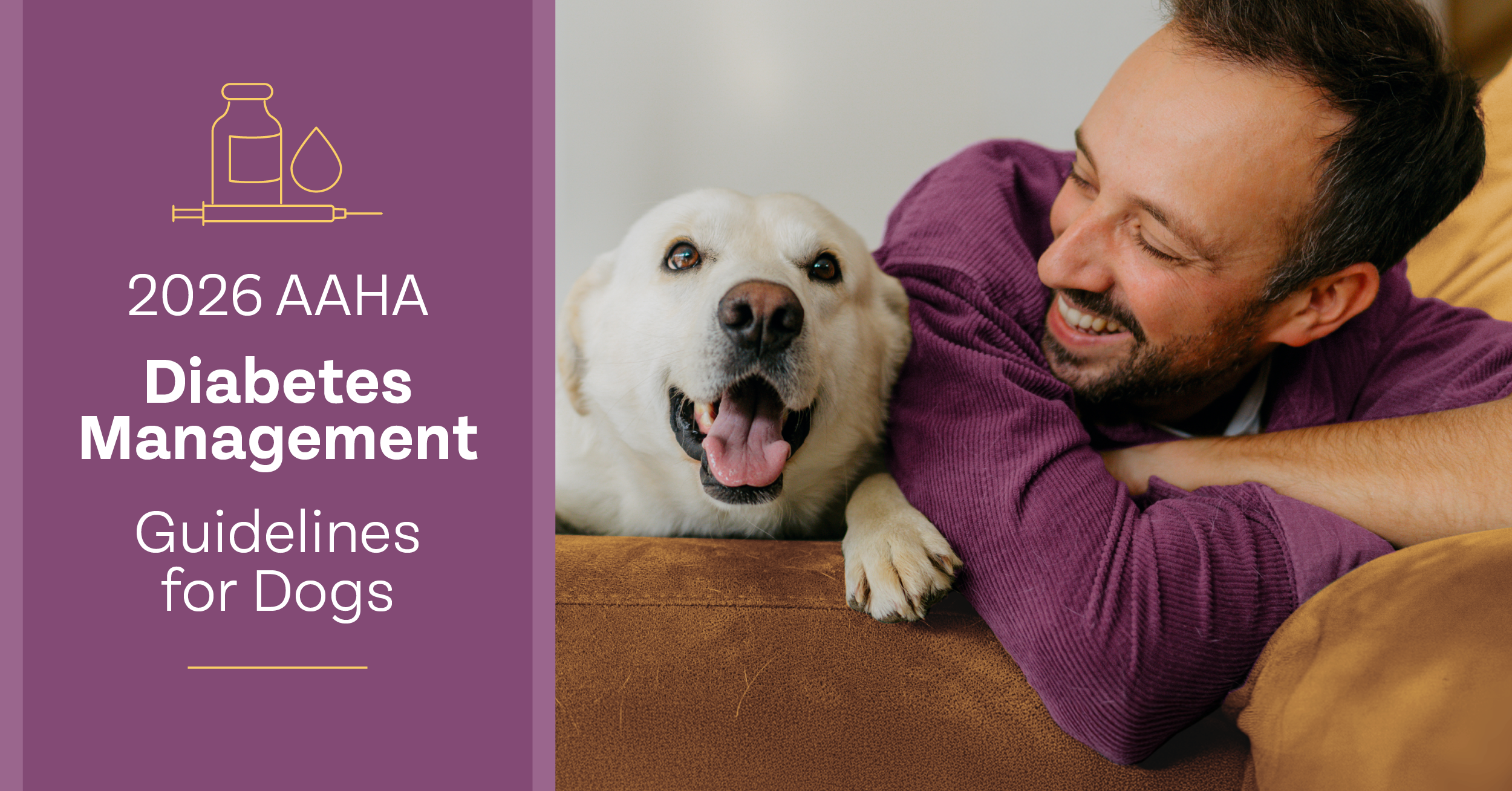

DENVER, CO, UNITED STATES, September 1, 2026 /EINPresswire.com/ — The American Animal Hospital Association (AAHA) today announced the release of the 2026 AAHA Diabetes Management Guidelines for Dogs, a comprehensive update offering veterinary professionals’ step-by-step guidance for diagnosing, treating, and monitoring diabetes mellitus (DM) in canine patients.
“We are thrilled to provide this highly requested update for the Diabetes Guidelines,” said Jessica Vogelsang, DVM, AAHA Chief Medical Officer. “We are especially excited to announce that, for the first time, we have divided these into separate Canine and Feline Guidelines in recognition of the unique nature of the disease process in each species.”
Unlike cats, dogs develop a form of DM characterized by an absolute insulin deficiency caused by permanent beta cell loss. All diabetic dogs are insulin deficient and require insulin therapy, but most tolerate lifelong treatment well, and prognosis is good with appropriate therapy and monitoring. The new guidelines reflect significant advances in care, including the growing use of affordable continuous glucose monitors and long-acting, peakless insulin formulations such as insulin degludec and glargine U-300, which may allow for once-daily dosing.
“The care of our doggy diabetics has changed dramatically over the last few years, with the advent of inexpensive continuous glucose monitors and a new understanding of how to leverage long-acting insulins,” said Audrey K. Cook, BVM&S, MSc Vet Ed, FRCVS, DACVIM, DECVIM, DABVP (Feline Practice), a member of the AAHA Diabetes Management Guidelines task force. “Practitioners will be better positioned to optimize care for diabetic dogs and support the wellbeing of both pets and their caretakers.”
What’s in the Guidelines
The AAHA Diabetes Management Guidelines for Dogs provide veterinary teams with practical, step-by-step guidance on:
An overview of diabetes pathophysiology in dogs and the species-specific aspects of the disease
How to diagnose DM in dogs
Insulin treatment and monitoring
Expert tips for troubleshooting common issues and problems
Treating diabetic ketoacidosis
Recommended tests for monitoring glycemic status
Dietary management
Guidance for talking with clients about diabetes management
Charts and algorithms covering insulin types and starting dosages, monitoring and adjusting treatment, troubleshooting hypoglycemia, and managing dogs on high insulin doses who become unregulated
The guidelines emphasize that with attentive monitoring, dietary and schedule adjustments, and diligent follow-up care, diabetic dogs can enjoy a good quality of life with few or no clinical signs. Most dogs tolerate lifelong insulin therapy well, and prognosis is good with appropriate therapy and monitoring, though establishing an initial treatment regimen may require more frequent follow-up visits and adjustments. The guidelines also underscore the importance of honest, ongoing conversations between veterinary teams and clients about expectations, monitoring, and the long-term commitment diabetes management requires.
The AAHA Diabetes Management Guidelines are generously supported by Adapet Medical, Boehringer Ingelheim, Dechra, and Merck Animal Health.
The 2026 AAHA Diabetes Management Guidelines for Dogs are available at aaha.org/diabetes-management-dogs.
About AAHA
Since 1933, the American Animal Hospital Association has been dedicated to improving the lives of pets, the people who care for them, and the veterinary professionals who serve them. AAHA is the only organization that accredits veterinary hospitals in North America, setting hundreds of rigorous standards for high-quality medicine and compassionate care. Because accreditation in veterinary medicine is voluntary, the AAHA-accredited logo is the most reliable indicator that a hospital has undergone independent evaluation. Today, AAHA is building on that foundation to become the most trusted and connected platform in animal health, bringing together all parts of the pet care ecosystem to strengthen the systems of excellent care. Look for the AAHA-accredited logo at your local hospital or find an accredited hospital near you today at aaha.org.
Wendy Cobrda
American Animal Hospital Association
email us here
+1 7208230825
Visit us on social media:
LinkedIn
Instagram
Facebook
Legal Disclaimer:
EIN Presswire provides this news content “as is” without warranty of any kind. We do not accept any responsibility or liability
for the accuracy, content, images, videos, licenses, completeness, legality, or reliability of the information contained in this
article. If you have any complaints or copyright issues related to this article, kindly contact the author above.

Media gallery