House Hacking Emerges as Investment Strategy Amidst Housing Market Conditions
Amidst high home prices and limited inventory, a growing number of new investors are adopting "house hacking," which involves living in one unit of a multifamily property while renting out the rest. Pittsburgh has been ranked 12th among major metropolitan…
 Pittsburgh, PA, September 9, 2026 —
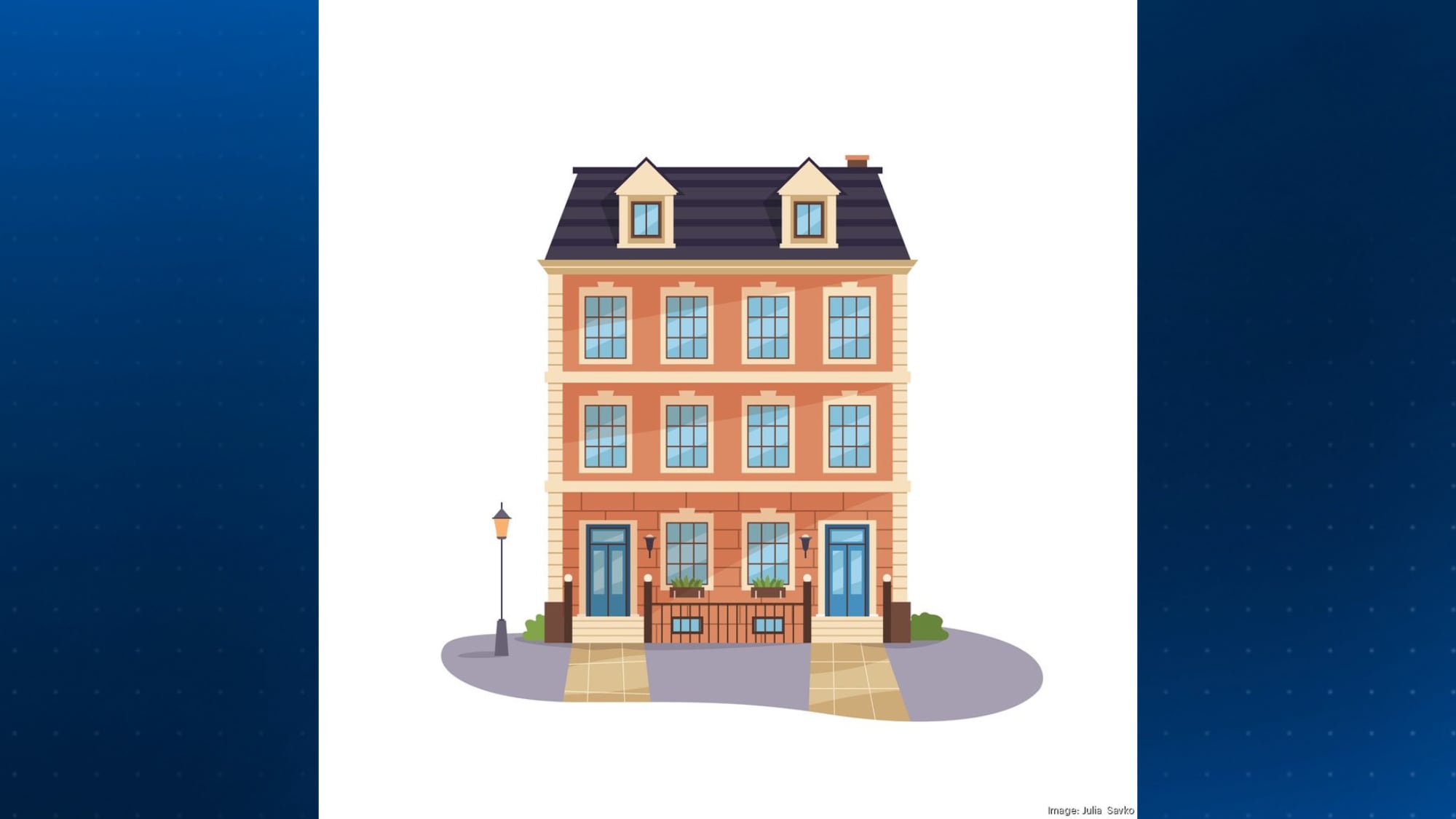
The real estate investment landscape is seeing a notable shift as more individuals turn to “house hacking” as a strategy to navigate high home prices and constrained property inventory. This approach typically involves purchasing a multifamily property, residing in one unit, and renting out the remaining units to generate income.
The trend reflects a broader response to current housing market challenges, where traditional single-family home purchases may be less accessible or financially viable for new investors. House hacking allows individuals to offset their own housing costs, potentially build equity faster, and gain experience as a landlord while living on-site.
A recent analysis that evaluated the potential returns of this investment strategy has highlighted Pittsburgh’s standing among major metropolitan areas. The city was ranked 12th in this evaluation, suggesting a favorable environment for house hacking compared to other urban centers across the country. Specific details regarding the methodology or the full list of ranked cities were not provided in the summary.
The popularity of house hacking is reportedly growing among new investors who are seeking alternative ways to enter the real estate market. This strategy requires careful financial planning and an understanding of property management, but proponents suggest it can offer a pathway to homeownership and investment simultaneously.
Further details about the specific financial returns, the timeline for this trend’s growth, or the parties involved in the analysis were not included in the provided summary.
Story summarized from the original created by Ladimir Garcia, Joanne Drilling on www.wpxi.com, see more information here.
Media gallery