From distracted driving to driver monitoring: Can cars help us stay focused?
Babcock Injury Lawyers reports that distracted driving remains a significant threat, causing 3,208 deaths in 2024.
Press Release Disclaimer: This is a press release distributed through the XPR Media network. It has not been independently verified by our newsroom.
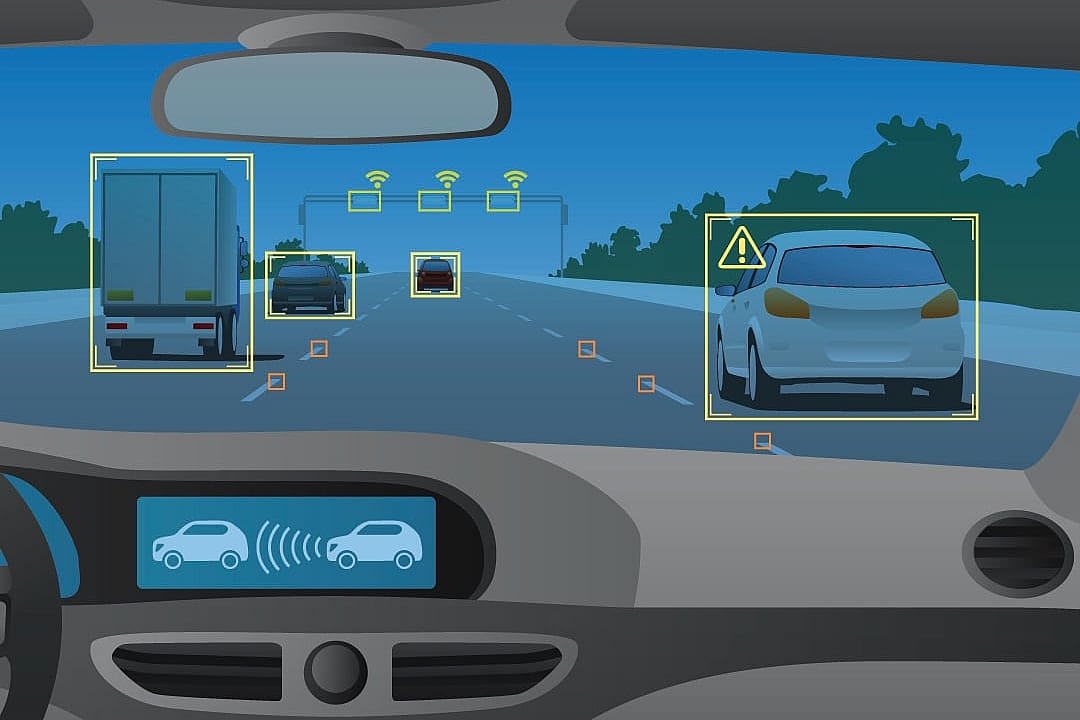

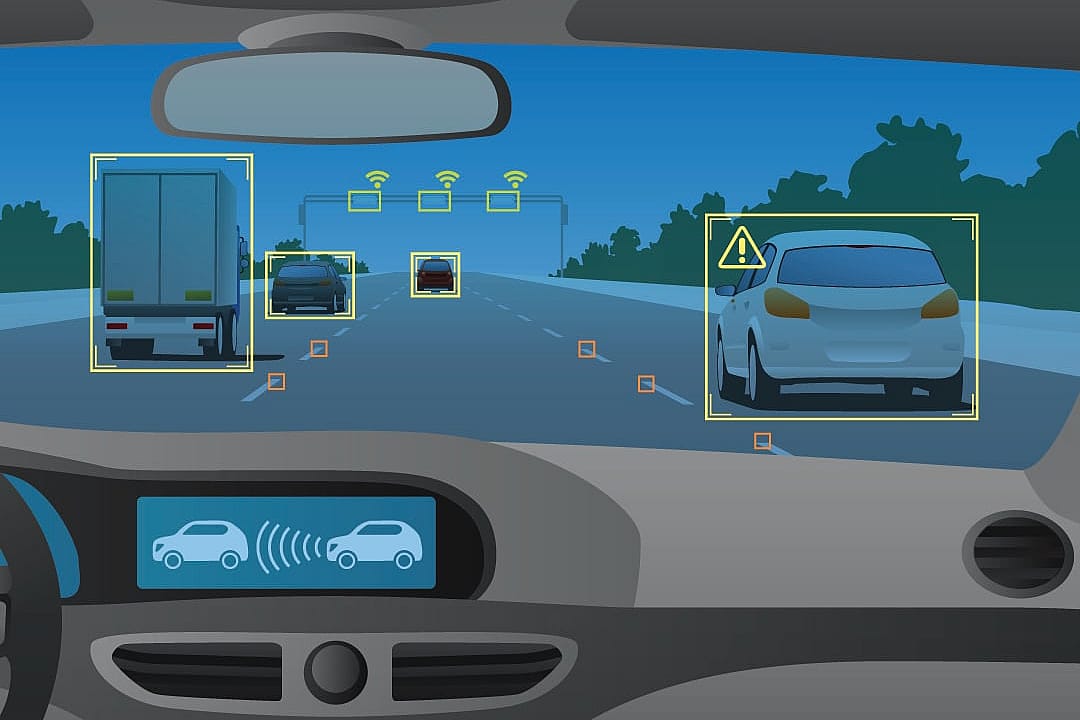
metamorworks // Shutterstock
From distracted driving to driver monitoring: Can cars help us stay focused?
Distracted driving poses a threat to safe road use, with its dangers documented in endless studies. The fallout of accidents originating from driver distraction leaves a mark on millions of families and creates economic burdens that are equally important to recognize.
With new technology arriving in modern cars that enables persistent driver monitoring and alerts issued when a state of distraction is detected, the industry is moving in the right direction. Regulators have also intervened to encourage wider adoption of the latest safety hardware.
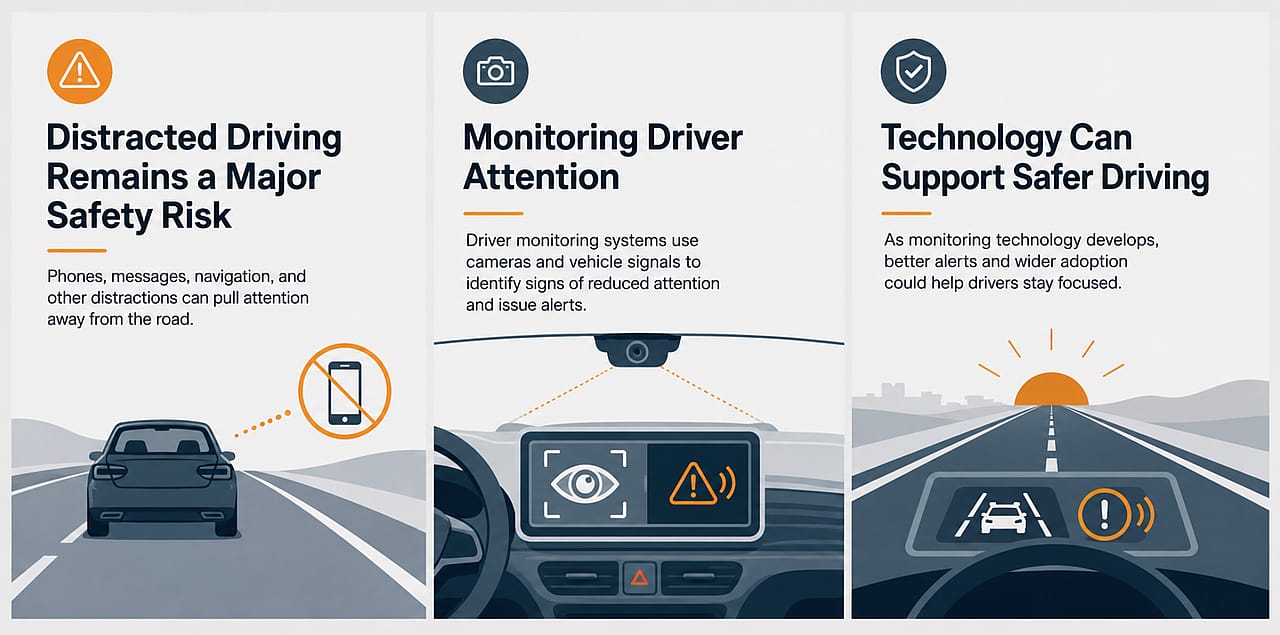
Babcock Injury Lawyers
Adoption of Driver Monitoring Systems on the Rise
The National Highway Traffic Safety Administration (NHTSA) statistics on distracted driving show just how dangerous the practice is. Distracted driving claimed 3,208 lives in 2024, the most recent year for which data is available. Considering that there were also 315,167 injuries attributed to drivers making mistakes while distracted, the true scope of the issue is obvious.
The causes of distracted driving are varied, although the use of electronic devices is often cited as the most common and dangerous example, with sending and reading texts top of the list of dangers. Further NHTSA data estimates that 5.8% of drivers are using a phone at any given time in daylight hours on the roads of the US. While this encompasses both hands-on and hands-free use, even in the latter case, phone-based distraction remains a significant problem, reports Babcock Injury Lawyers, a personal injury law firm based in Louisiana.
How Driver Monitoring Systems Detect Distraction
The development and adoption of driver monitoring systems (DMS) by automakers has run in parallel with advanced driver assistance systems (ADAS), with the latter being more widely discussed due to the direct, automated control they take over a vehicle. This contrasts with the more passive output of DMS, where alerts and warnings are issued, rather than direct intervention being taken.
DMS can assess different aspects of a driver’s performance behind the wheel to determine if they are distracted. For instance, a vehicle’s lane position and lane-keeping discipline are good markers of whether a driver is completely focused. Many modern systems rely on driver-facing cameras to track eye movement. If a driver’s gaze drifts away from the road, an alert is issued to remind them to put their attention back where it needs to be.
A report published in Transportation Research offers a comprehensive overview of the state of play for DMS technology today, covering both its benefits and issues. It notes that the technology is still very early in its rollout and adoption, with 80% of drivers in the US still yet to encounter it, while 9% have used it and subsequently disabled it.
Researchers also single out regional differences in how DMS gets implemented, with all new EU cars required to have this technology onboard by law, while it’s only a recommendation in the US. In turn, analysis of over 5,000 studies into DMS effectiveness suggests that the main hurdle at the moment comes from the lack of a standardized approach for both measuring distraction and conveying this information to the driver. Audio alerts and haptic feedback, such as a steering wheel vibration, are most effective at changing driver behavior, but visual feedback helps drivers who are unfamiliar with DMS, for instance.
3x Return on DMS Investment
Given the nascent nature of DMS, future projections reveal what’s possible when adoption becomes widespread. A recent study by researchers at the Monash University Accident Research Center (MUARC) gives a glimpse of what’s possible when the adoption of this technology becomes more widespread in the coming years.
Analysts looked into the financial advantages of encouraging DMS installation on all vehicles, with a 2.82 benefit-cost ratio projected. This means that each dollar spent on driver monitoring will deliver almost a 3x return in the reduction of costs otherwise incurred by serious accidents and associated trauma recovery. Scoping this out to 30 years, the ratio increases to 21.8.
The proven effectiveness of certain types of DMS in tackling distracted driving also goes hand in hand with an economic incentive to implement the technology. While there are issues with how the tech is implemented, and more development is needed in driver awareness, the long-term prospects for minimizing distracted driving are promising.
This story was produced by Babcock Injury Lawyers and reviewed and distributed by Stacker.