Public Confidence Wanes in U.S. Recycling Systems Amidst Widespread Confusion
In the United States, public confidence in recycling systems is decreasing, with many Americans finding the process confusing due to varying local rules. Despite the perceived importance of recycling, actual recycling rates remain low. Common mistakes include 'wish-cycling' (placing uncertain…
 South Bend Elkhart, IN, September 9, 2026 —
Public confidence in the effectiveness and clarity of recycling systems across the United States is reportedly declining. A significant portion of Americans express confusion regarding the recycling process, largely attributed to the inconsistent rules that vary from one locality to another.
Despite a widely held belief in the importance of recycling, actual recycling rates in the country are noted to be low, indicating a gap between public intention and practice. Several common errors contribute to this disparity and hinder the efficiency of recycling operations.
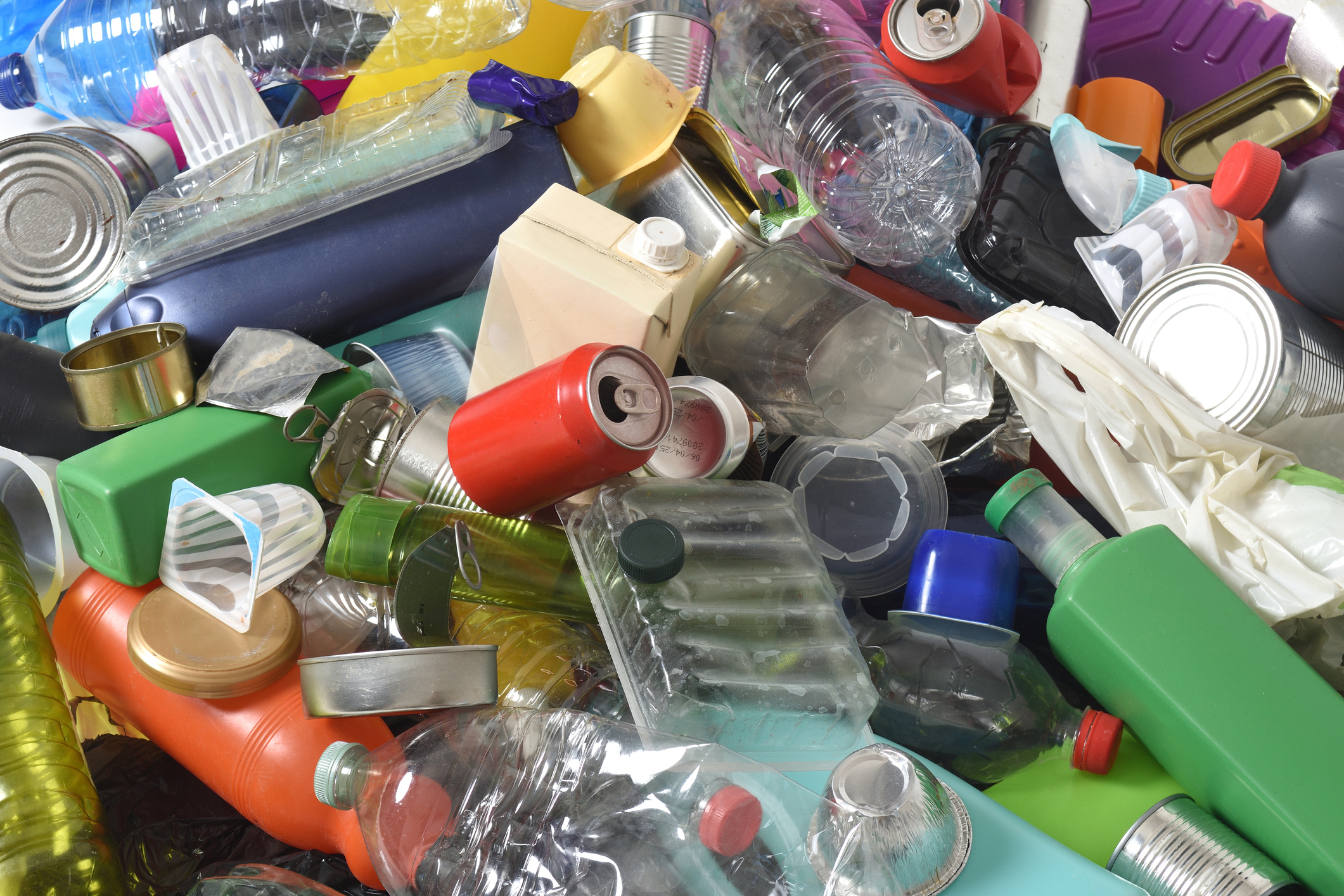
Among the prevalent mistakes is ‘wish-cycling’, a practice where individuals place items they hope are recyclable into bins, even when uncertain about their acceptance. This broad approach can lead to contamination of materials that are genuinely recyclable.
Further complicating efforts are the inclusion of items such as plastic bags in standard recycling streams. These items are frequently cited as problematic because they can jam sorting machinery at recycling facilities.
Incorrectly sorting plastics is another significant issue. The variety of plastic types and their specific recycling requirements often lead to improper disposal, which can contaminate entire batches of collected recyclables, thereby increasing processing costs and reducing the usable output.
In response to these challenges, experts in waste management and recycling recommend a more focused approach for consumers. They advise concentrating on recycling well-established materials such as bottles, cans, paper, and cardboard. These items are generally accepted and processed more reliably by municipal recycling programs.
Conversely, individuals are cautioned to avoid placing items that are known to cause operational issues for recycling machinery or those explicitly not accepted by their local recycling guidelines. The lack of standardized, easy-to-understand guidelines remains a primary barrier for many Americans attempting to recycle correctly.
Story summarized from the original created by Simmone Shah on time.com, see more information here.
Media gallery